

5 High-Mileage Used Car Myths Debunked
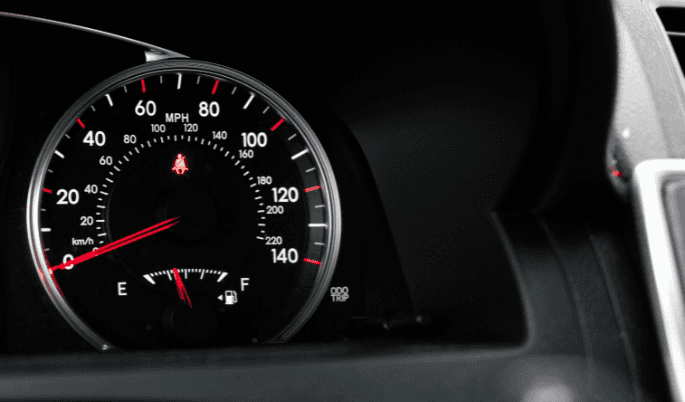
Shopping for a reliable vehicle on a budget can feel overwhelming, especially for first-time buyers, parents looking for safe student cars, and value-conscious shoppers. For decades, conventional wisdom warned drivers to avoid any vehicle with six figures on the odometer. Reaching 100,000 miles was once viewed as the end of a car’s life.
However, modern manufacturing, synthetic lubricants, and advanced engine technology have changed the game. Today, buying a high mileage used car is often one of the smartest financial moves a value-focused shopper can make. The steepest depreciation has already occurred, leaving you with lower monthly payments and more vehicle for your dollar.
Below, we debunk five common misconceptions about high-mileage pre-owned vehicles so you can shop with total confidence.
Misconception #1: High Mileage Means the Engine Is Dying
Modern Engineering vs. Old Standards
The idea that engines break down after 100,000 miles is an outdated myth from the 1980s. Modern vehicles built within the last 15 years feature precision manufacturing, tighter tolerances, and anti-corrosive metals designed to easily surpass 200,000 miles when properly maintained.
Why Highway Miles Differ from City Driving
Not all miles carry the same weight. A vehicle with 120,000 highway miles experiences far less stress than a car with 60,000 miles of stop-and-go city commute. Highway driving allows the engine to run at consistent temperatures, burning off carbon deposits while continuously circulating protective motor oil.
Expert Insight: Prioritize a clean vehicle history report with consistent maintenance logs over a low odometer number. A single-owner highway vehicle with detailed service history is frequently a superior long-term purchase.
Misconception #2: Repairs Will Cost More Than the Vehicle Is Worth
Flattened Depreciation Curve & Total Cost of Ownership
A new vehicle loses approximately 20% of its value in year one and up to 50% within five years. By the time you choose buying a high mileage used car, the original owner has already absorbed the massive hit in depreciation.
Maintenance Records over Odometer Readings
While higher-mileage vehicles will eventually require standard wear-and-tear items—such as brake pads, belts, or shock absorbers—these predictable maintenance costs are significantly lower than taking on a heavy monthly new-car payment.
Cost Savings Comparison: New vs. High-Mileage Pre-Owned
| Metric | New Vehicle | High-Mileage Used |
|---|---|---|
| Upfront Depreciation | 20% – 50% Loss | Flattened / Minimal |
| Monthly Payment | Higher | Significantly Lower |
| Insurance Premium | Higher | Lower Base Rate |
| Overall Value Retention | Standard | High Value-for-Money |
Misconception #3: Low-Mileage Vehicles Are Always Safer Bets
The Hidden Hazards of Inactive Vehicles
Many buyers assume a 10-year-old vehicle with only 30,000 miles is a hidden gem. In reality, vehicles suffer when left sitting idle in driveways or garages for extended periods.
Dry Seals, Stale Fluids, and Aging Components
Unused vehicles are prone to:
- Dry, cracked rubber seals and gaskets leading to sudden oil leaks.
- Corroded fuel lines caused by stale gas absorbing moisture.
- Brittle hoses and flat-spotted tires that require immediate replacement.
A well-driven vehicle with consistent routine maintenance records keeps internal fluids flowing, seals lubricated, and mechanical parts functioning smoothly.
Misconception #4: You Cannot Finance a Vehicle Over 100,000 Miles
Smart Dealership Financing & Value Protection
A common belief among first-time buyers and parents is that banks will not lend money on higher-mileage vehicles. While some small financial institutions set strict mileage limits, established dealerships partner with extensive networks of national and local lenders specializing in used car financing options.
At Jerry Seiner Dealerships, finance experts work directly with lenders who recognize the long-term reliability of modern pre-owned models. Buyers can secure competitive interest rates and manageable monthly payments while benefiting from structured dealership pre-owned inspection standards.
Misconception #5: Modern Safety and Tech Features Are Out of Reach
High-Value Trims Becoming Affordable
Budget shoppers often think higher-mileage cars mean giving up modern creature comforts and advanced safety tech. In reality, choosing a higher-mileage pre-owned model allows you to afford top-tier trim levels that would otherwise exceed your budget.
You can easily find vehicles featuring touchscreen infotainment, blind-spot monitoring, lane-keeping assistance, and leather seating at a fraction of their original MSRP—delivering high reliable first-time buyer cars without sacrificing modern convenience.
Key Factors When Evaluating Used Vehicles
| Evaluation Criteria | High-Mileage (Well-Maintained) | Low-Mileage (Neglected) |
|---|---|---|
| Engine Health | Well-lubricated, clean oil history | Potential sludge from short trips |
| Rubber Seals & Hoses | Flexible from regular heat cycles | Prone to dry rot and dry leaks |
| Purchase Price | Budget-friendly / Flattened curve | Premium pricing for low numbers |
| Ownership Risk | Low when paired with PPI | Higher hidden mechanical risk |
Conclusion & Next Steps
Deciding on buying a high mileage used car does not mean compromising on safety, comfort, or dependability. By looking past the odometer reading and focusing on documented maintenance, overall mechanical condition, and vehicle history, value-for-money car shoppers can secure exceptional vehicles at unbeatable prices.
Working with a trusted dealer makes all the difference. Jerry Seiner Dealerships inspects every pre-owned vehicle on the lot to ensure it meets strict quality standards before it reaches the customer. Whether you are buying a reliable commuter for work, looking for a safe first car for a teenager, or keeping household expenses manageable, our team helps you find the right fit with complete peace of mind. Visit a Jerry Seiner Dealership today to explore our extensive pre-owned inventory and schedule your test drive!
Frequently Asked Questions (FAQs)
What is considered good mileage when buying a high mileage used car?
A good benchmark is approximately 12,000 to 15,000 miles per year of the vehicle’s age. However, high-mileage vehicle longevity depends far more on consistent maintenance logs and highway driving than on the exact odometer reading.
How can I verify the maintenance history on a used vehicle?
Always request a full vehicle history report and ask the seller or dealership for physical service receipts or digital maintenance logs.
Should I get a pre-purchase inspection (PPI) before buying?
Yes! A pre-purchase inspection (PPI) by an certified technician or trusted dealership service center gives you a clear, unbiased assessment of mechanical health, wear-and-tear components, and upcoming service needs.
Which vehicle brands are best for high-mileage dependability?
Brands such as Toyota, Honda, Subaru, and Lexus are widely recognized for long-term engine durability and lower total cost of ownership even past 150,000 miles.
Can I get an extended service contract on a high-mileage vehicle?
Yes, many pre-owned dealerships—including Jerry Seiner Dealerships—offer protection plans and extended service options tailored for higher-mileage vehicles to protect against unexpected mechanical repairs.
0 comment(s) so far on 5 High-Mileage Used Car Myths Debunked